Table of contents
Renewing a passport used to feel like a paperwork chore, but in 2026 it has become a trip-critical risk point, with airlines tightening document checks, countries rolling out digital entry rules, and border officers paying closer attention to damaged or “non-standard” passports. The result is brutal in its simplicity: small mistakes can trigger denied boarding, missed connections, or costly last-minute changes. Here are the passport errors travelers keep making, why they suddenly matter more, and how to fix them before your next departure.
Six-month validity: airlines enforce it
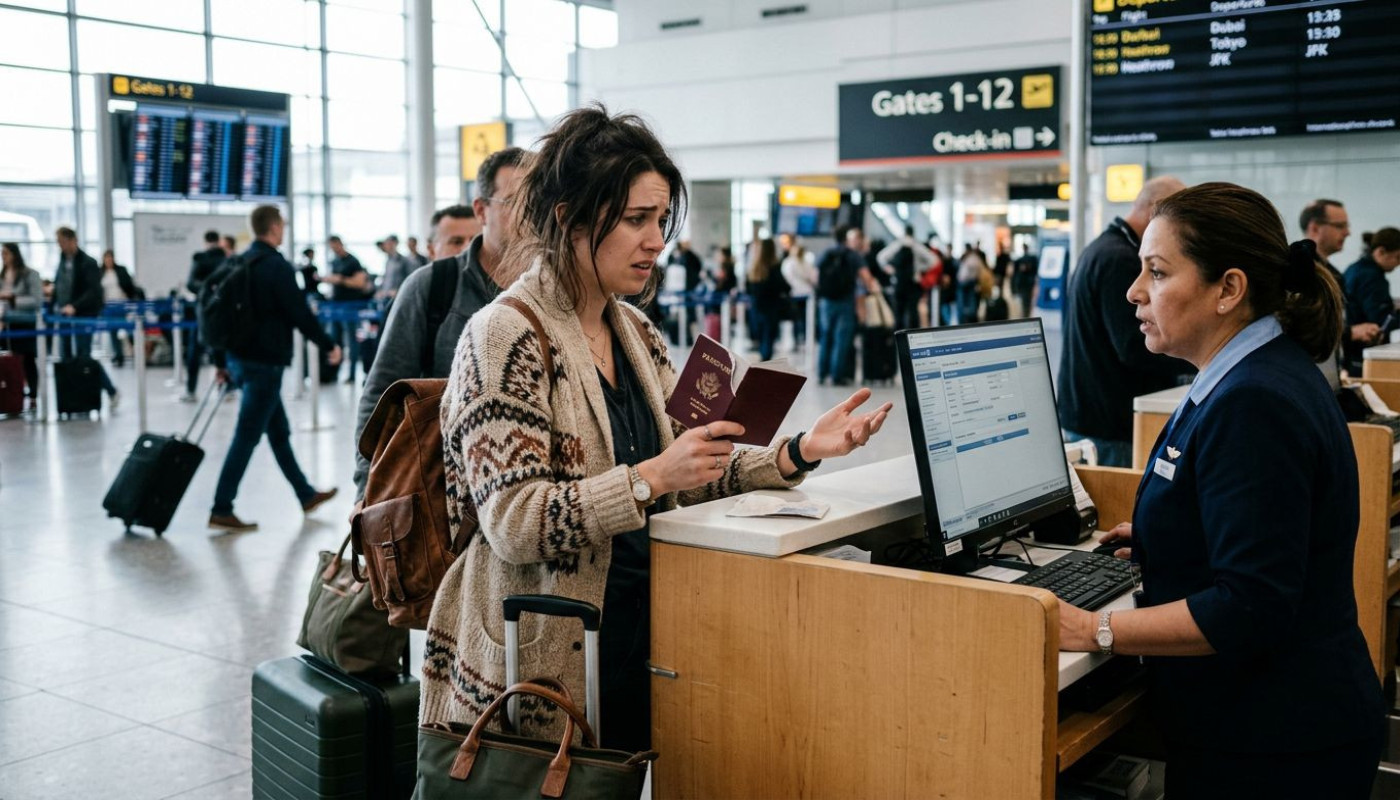
Think your passport is “valid until the expiry date” and therefore fine to travel? That assumption keeps collapsing at airport check-in desks, because many destinations apply a six-month validity rule, and airlines often enforce it as a condition of carriage, even when travelers insist they will leave the country long before the passport expires. The practical effect is that the airline becomes the first gatekeeper, and if the system flags your document as short on validity, you may never reach immigration to argue your case.
The rule varies by destination, but the pattern is consistent: a large number of countries require at least six months’ validity beyond the date of entry, while others tie the requirement to the date of departure. Add transit into the mix, and the calculation gets trickier, because a connection through a third country can impose its own validity threshold, even if you never intend to leave the airport. Airlines rely on tools such as Timatic, the database used across the industry to verify entry requirements, and frontline staff tend to follow what the screen says, not what a traveler remembers reading months ago.
The numbers illustrate why this is not a niche problem. The U.S. State Department routinely warns that many countries require six months’ validity, and the European Commission notes that for short stays in the Schengen area, a passport must be valid for at least three months after the intended date of departure, and must have been issued within the previous 10 years. Those rules sound straightforward until a traveler’s passport is near its “issued date” limit or has an expiry date that looks comfortably distant, but fails a three-month or six-month buffer. The fix is unglamorous but decisive: check requirements for every leg, including transit, then renew early, because expedited processing can be expensive, and appointment availability can vanish quickly in peak travel seasons.
The blank pages trap is real
It is not the expiry date that breaks trips. It is the empty space.
Travelers are often shocked to learn that some countries and some visa processes require a minimum number of blank passport pages, and they mean truly blank pages, not “two half-pages” or pages already stamped. Border stamps, visas, and even certain entry stickers can eat space faster than expected, especially for frequent flyers moving through regions that still rely heavily on physical endorsements. If a destination asks for two blank pages and you have one, the argument rarely goes anywhere at the check-in counter, because the airline faces fines and repatriation costs for transporting passengers who are refused entry.
This issue has become more visible as several governments tightened administrative requirements after the pandemic, and as more travelers combine multi-country itineraries again. Visa-on-arrival policies, where they exist, can still involve stickers or full-page stamps, and land borders in particular may stamp more liberally than major airports. Meanwhile, some passports fill up quickly because of design choices, and frequent travelers sometimes keep old passports for visa validity while using a newer passport for travel, which can create confusion if the required visa is in the old booklet and the airline agent wants to see both documents, in the correct order, under time pressure.
The most reliable prevention is to treat blank pages like runway length: you want more than the minimum. Before booking complicated trips, count your blank pages conservatively, and assume at least one full page per country that might place a visa or endorsement. If you are already close to the edge, renew rather than gamble, because “adding pages” is no longer available in many jurisdictions, including the United States, which ended the option years ago. If you must travel with two passports because a valid visa sits in an old one, keep them together, bring photocopies, and be ready to show the airline that the names and numbers match your bookings.
One letter wrong, one trip over
Spelling errors look small, until they become airport errors.
Airlines and border systems increasingly match passenger data automatically, and that means the name on the ticket, the name in the passport’s machine-readable zone, and sometimes the name transmitted in Advance Passenger Information must align closely. A missing middle name is usually survivable, but not always; a swapped surname, an extra character, or a diacritic handled inconsistently can trigger secondary checks, and in the worst cases, a denied boarding if the carrier cannot confidently reconcile identity. This is particularly punishing on itineraries involving multiple carriers, because each airline’s rules for name changes and corrections can differ, and the last airline operating the international segment may be the strictest.
The problem often starts at the source: passport data entry errors during issuance, and then the quiet propagation of that error across bookings, visas, and trusted traveler profiles. A common scenario is a newly issued passport with a typo in the place of birth or an incorrect sex marker, which may not be noticed until a visa application is rejected, or until an e-gate fails and a traveler is pulled aside. Another is a passport that reflects a legal name change, while loyalty accounts, existing visas, or frequent traveler profiles are still tied to the old name, creating a patchwork identity that systems do not like.
Fixing it begins with discipline. When you receive a new passport, verify every line immediately, including the machine-readable lines at the bottom, because that is what scanners read. If something is wrong, start the correction process at once, because some authorities treat errors differently depending on whether they were reported quickly. When booking flights, copy the name exactly as printed, and if your passport has no middle name, do not invent one. For travelers who move often between countries, it is worth keeping a simple document pack: scans of the passport biographical page, copies of prior passports with active visas, and evidence of name change, so that if a border officer questions a discrepancy, you can answer in minutes rather than improvising under pressure.
There is also a broader reality behind these pitfalls: mobility has become a strategic asset, and some travelers now look beyond routine renewals and corrections, researching alternatives and comparing what different citizenships offer in terms of access and resilience. For those evaluating global movement options, resources that lay out vanuatu passport travel benefits can be part of that due diligence, alongside the hard, immediate basics of getting every character, date, and page requirement right.
Damage, water, and DIY “repairs” backfire
Creased, soaked, or tampered passports do not age gracefully.
Many travelers underestimate how aggressively airlines and border agencies treat physical damage, because the definition is not limited to a passport that is torn in half. Water exposure can blur ink, delaminate pages, and warp the data page, while a cracked cover or loose binding can signal tampering. Even something as mundane as a child’s scribble, a stain across the photo, or a page that has started to separate from the spine can trigger the dreaded phrase: “This passport is damaged.” Once that happens, discretion becomes the enemy, because different officers and different airlines apply different thresholds, and the traveler has little leverage when the carrier does not want the liability.
The underlying reason is document integrity. Modern passports contain multiple security features, and damage can obscure them, or make it impossible for scanners to read the chip reliably. If an e-gate cannot read the chip, you may be diverted to a staffed booth, which is not always a problem, but in high-volume airports it can mean missed connections, and in some countries it can raise questions about authenticity. Worse, travelers who attempt DIY fixes, laminating pages, taping tears, or gluing the binding, can inadvertently make the passport look altered, and an “altered” document is treated far more harshly than a merely worn one.
There is a second trap here: routine wear that becomes severe during the trip. A passport carried in a back pocket, placed loose in a beach bag, or exposed to humidity can deteriorate quickly, and by the time you reach your return flight, the airline may refuse it. That is why prevention matters as much as replacement. Use a protective passport cover that does not obstruct scanning, keep the passport away from water and heat, and store it flat, not bent. If any page is loose or the chip behaves inconsistently at e-gates, assume the document is at risk, and seek replacement before international travel, even if it feels like overkill. At borders, overkill is often cheaper than improvisation.
Before you book: a quick action plan
Start with timing: renew early, and treat validity buffers as non-negotiable, then count blank pages conservatively, check that every name field matches your booking exactly, and replace any passport showing water damage, loose binding, or suspected tampering. Budget for expedited processing if needed, and book appointments as soon as you see peak-season calendars tightening.
Similar articles

Red Notice Confusion: What Every Business Should Know About Global Enforcement Traps

From Local Arrests To International Tribunals: The Path Of High-profile Cases

Unveiling the potential of vertical farming in urban landscapes

Boosting Tourism in the Caribbean Through e-Ticketing

What are the exploits of the player Erling Braut Haaland?
